A Heart of Hospitality
Want to host your own exciting and aesthetic gathering but think you may not have the ability to plan and host? This guide will walk you through starting your own journey of hospitality, from gathering biblical examples of true hospitality to deciding on how to pick a menu that even picky guests will enjoy. Hospitality is more than just party planning, it’s one of the most rewarding ministries you can grow in, and it’s easier than you think. Hospitality is defined as “the friendly, generous reception and entertainment of guests, visitors, or strangers. ” It is derived from the Latin word hospes (host/stranger)” Hospes focuses on the “reciprocal relationship of hospitality, acting as both the receiver and the received.” When hosting a church wide event or planning a small girls gathering, I find that these five hosting systems can help you become an intentional hostess.
Identify a Purpose
Identify the purpose of your event. Is it to celebrate a new bride? Are you hosting a Bible study at your house? Maybe you are hosting a game night with friends. Even deeper than just naming the event, identify how you want people to feel. The last small group I attended made me feel seen. How did you feel at the last gathering you attended? The Bride from the shower should feel special, the people from Bible study should feel clarity or connection, and the gamers should leave feeling joyful with funny stories to tell the next newcomers. Once the big question is answered, the other things that we do for this event will support our purpose. Identifying a purpose will help you be intentional when it comes to the smaller things such as table linens, flowers and board game selections.
Create a Timeline and Organize
Create a timeline for your event. This timeline should be divided into the three sections; before, during and after the event. The things you add to your timelines will look different based on the purpose of your event. Try your best to include as much as you can on your timeline to keep yourself organized for the day of the event. For example, if your event includes cookies, you will be seeing cookies listed on each section of your time line because it should be noted when to prepare, cook, cool, plate, serve and store those cookies. Keeping a clear timeline makes co-hosting and large events operate efficiently. Organizing your timeline can be as equally important to organizing the physical items for your event. Knowing where items are and pre-labeling items for when help arrives can make for a smooth transition from before, during and after.
Tips: Keep your timeline as a note in your favorite note taking app. Some apps let you share your lists and can significantly help with co-hosting.
Do What You Know
Do what you know to do. You already know the purpose of the event and you know your guests. Identify and lean into your strengths. Every person has strengths that can translate into hospitality. Miss Chef, if you have a signature dessert that is easy to make and you know people love it, plan to serve the dessert. If every food you touch seems to burn, choose to host a pot luck. You will continue to grow and identify your strengths as you continue to host. Know that there are unspoken rules that you already know but easily forget that you know. For example, you should know not to wear crew socks underneath your high heels. Always pair something new with something you already know. Have a back up plan that can quickly save the day incase something goes wrong. Anytime I try a new decoration style or dessert for an event, you will always find extra decorations in my closet and ice cream in my freezer.
Include your Guests (or Team)
A few years ago my husband and I were invited to a friend's house for a holiday party. Every corner of her house looked like it was sponsored by the Christmas section of Hobby Lobby. It smelt as if she was hiding cinnamon sticks in her air vents and couch cushions. Even on non holidays, her house lives in Pinterest. I spoke to her once at the beginning of the party and she ended the conversation early telling me that she’d be right back once she finished icing the cake she had made. She chose to spend most of the party in the kitchen while keeping her guests in the living room. Although I left admiring her decorations and cake decorating skills, I left disconnected and unintentionally excluded. Hospitality is intended to focus on relations between people. Hospes. We should always do and look our best, but never at the expense of missing the purpose of hosting. This party gave me a new perspective of Luke 10: 38-42 when Mary and Martha hosted Jesus in their home. Mary was looking for true connection while Martha was looking for perfection at the expense of loosing out on quality time with God in the flesh.
Tips: Have something in mind for when a guest asks if they can bring something. You can always bring a bag of ice or a sweet treat to my house. This is a simple way to include guests before they step foot into your house.
Reflect, Take Notes and Adapt
Reflect on the different aspects of your event. We can measure the success of hosting by seeing if we accomplished the purpose that we identified in step one. A fallen garland, burnt cookies or a typo in your menu doesn’t matter if your guests felt connected to the purpose of the event. Dedicate a written space under your timeline to reflect on the wins and areas for improvement. These notes should be written within a week after your event. Having fresh notes in one place can help you adapt your next event. In the 2010’s, wearing tennis shoes with a jean skirt used to be considered a fashion sin. Style has shifted and now I’m being encouraged to wear cute sneakers and my feet are thankful. Just like fashion, party decorations and event styles shift and change. Adaptability says it’s okay to change for the betterment of our purpose.
Like the word hospitality, another word that derives from hospes is hospital. I consider the words hospitality and hospital to be sisters who have similar missions. We see a meaningful act of hospes beautifully exemplified in Luke 10. Jesus responds to a group of people on how to love thy neighbor told as a parable. He tells of how a Samaritan man, a societal outcast, saves a badly beaten jewish man who was previously overlooked by others. The Samaritan takes the man to an inn and pays the inn keeper to watch over the man. There are many lessons to learn from this parable, one being that when God sends us broken people, we are to take action and care for the broken the way the inn keeper took care of the man.
In a church setting, hospitality will take many forms and often places us in an inn keeper role. It may look like calling a friend who has missed a few services, joining or starting a small group, opening the doors while serving on the connection team, making guests feel comfortable at your church, or even keeping the church facilities cleaned for a welcoming impression. Hospitality is a calling that challenges us, the church, to step forward and welcome others. If you find yourself enjoying hospitality, your connections or small group leader will certainly have a place for you on their team. I challenge you to get involved.
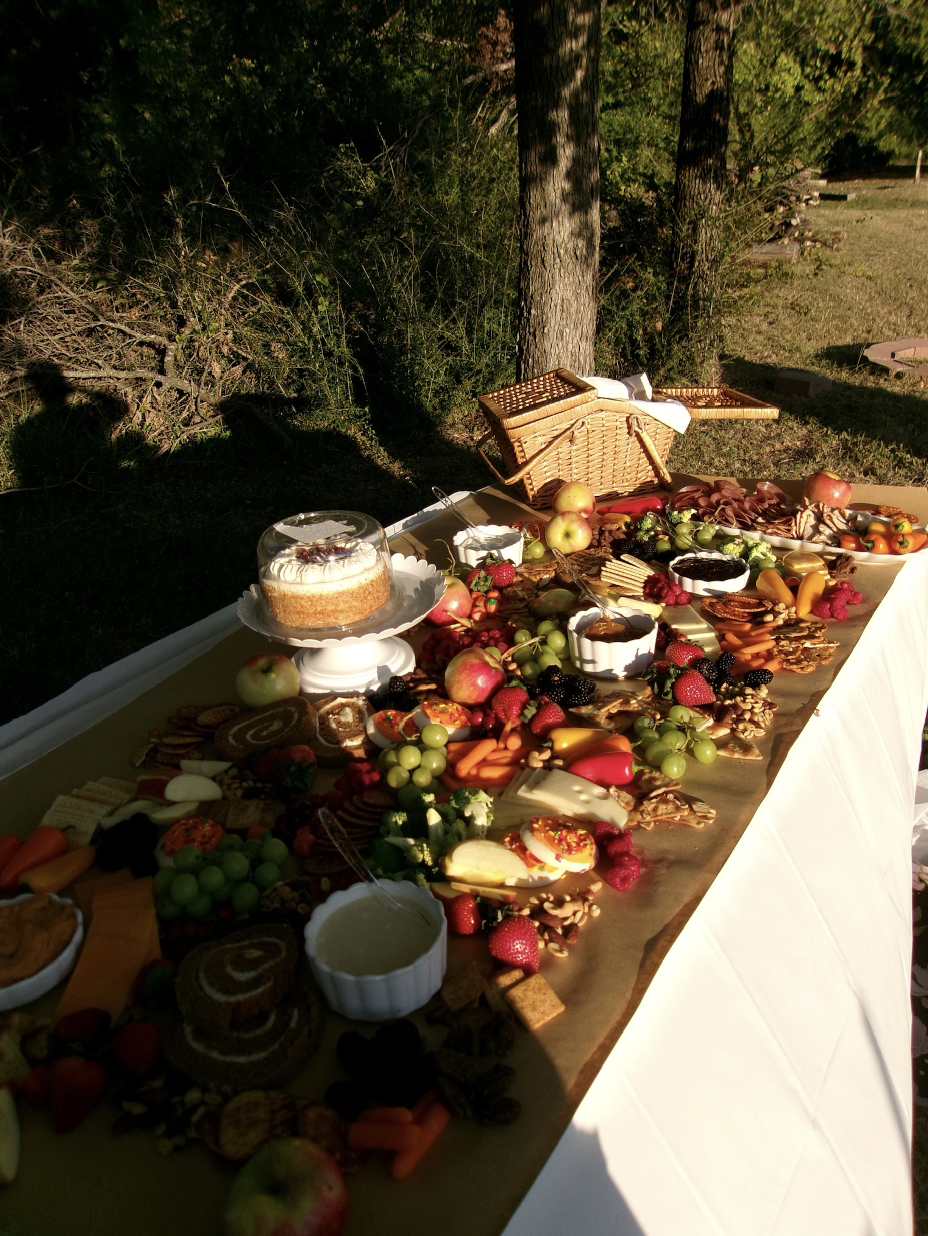
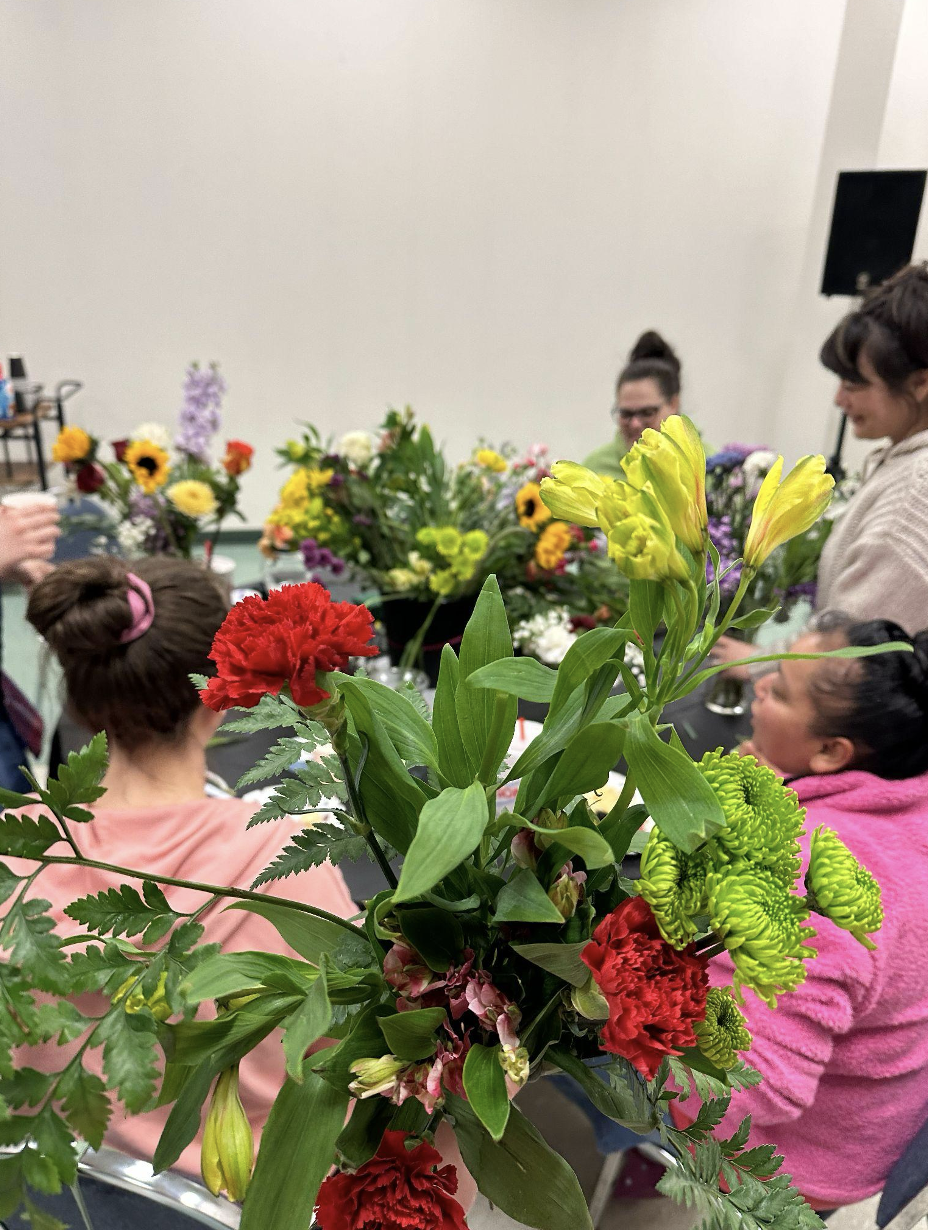
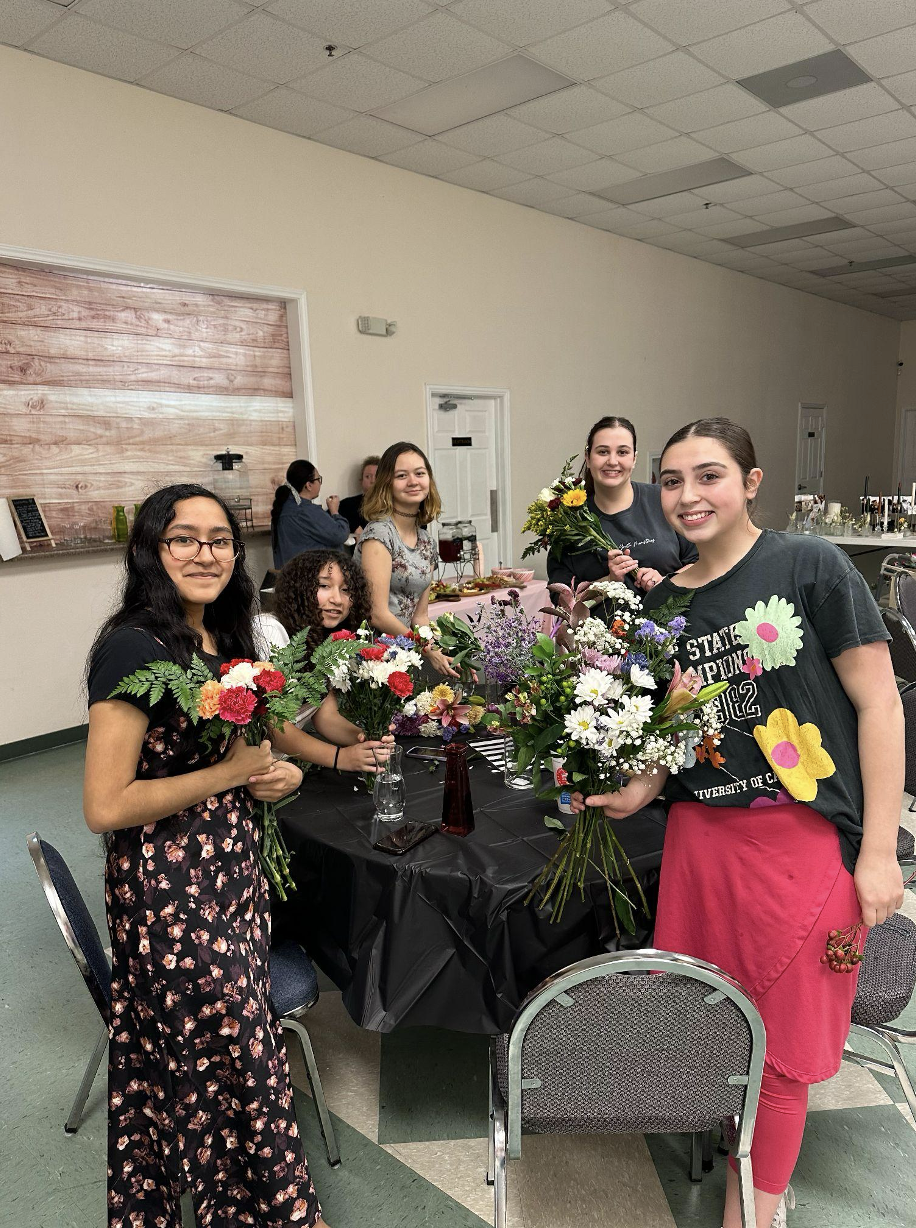
Pictured Below
- Flower Party: Guests brought their own flowers to exchange. We spent time making our own arrangements with shared flowers.
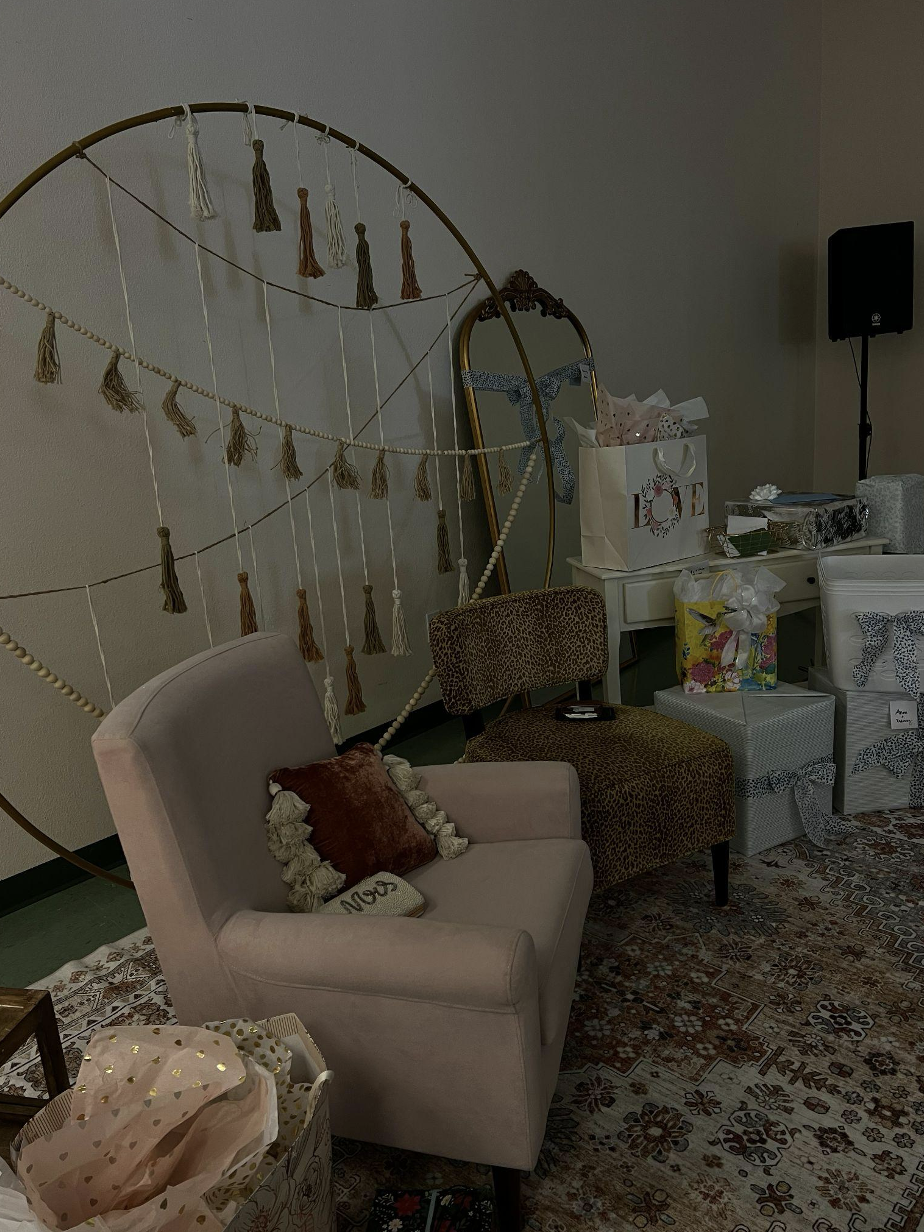
- Bridal Shower: Here are a few decorations from a Bridal Shower I co-hosted as a bridesmaid.
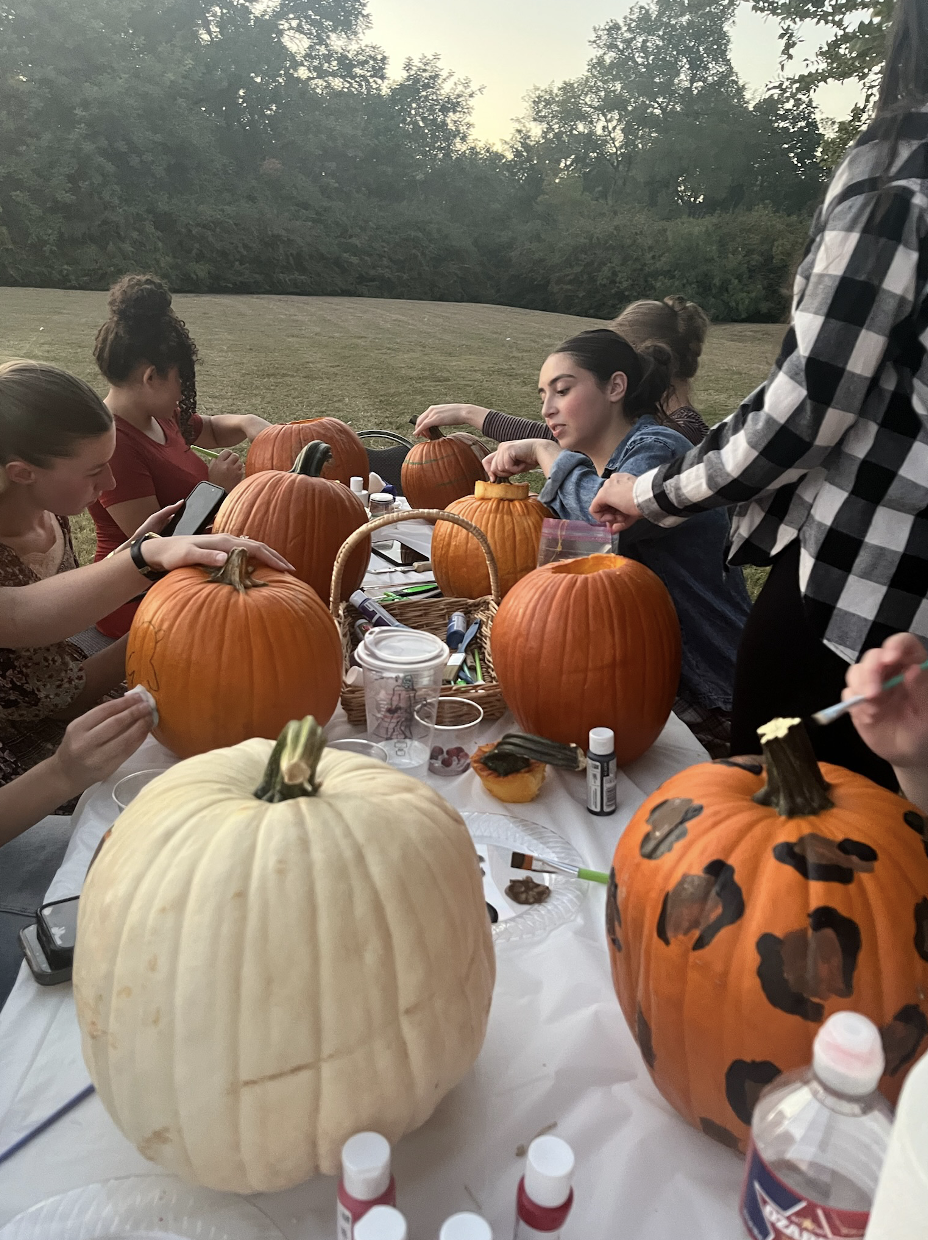
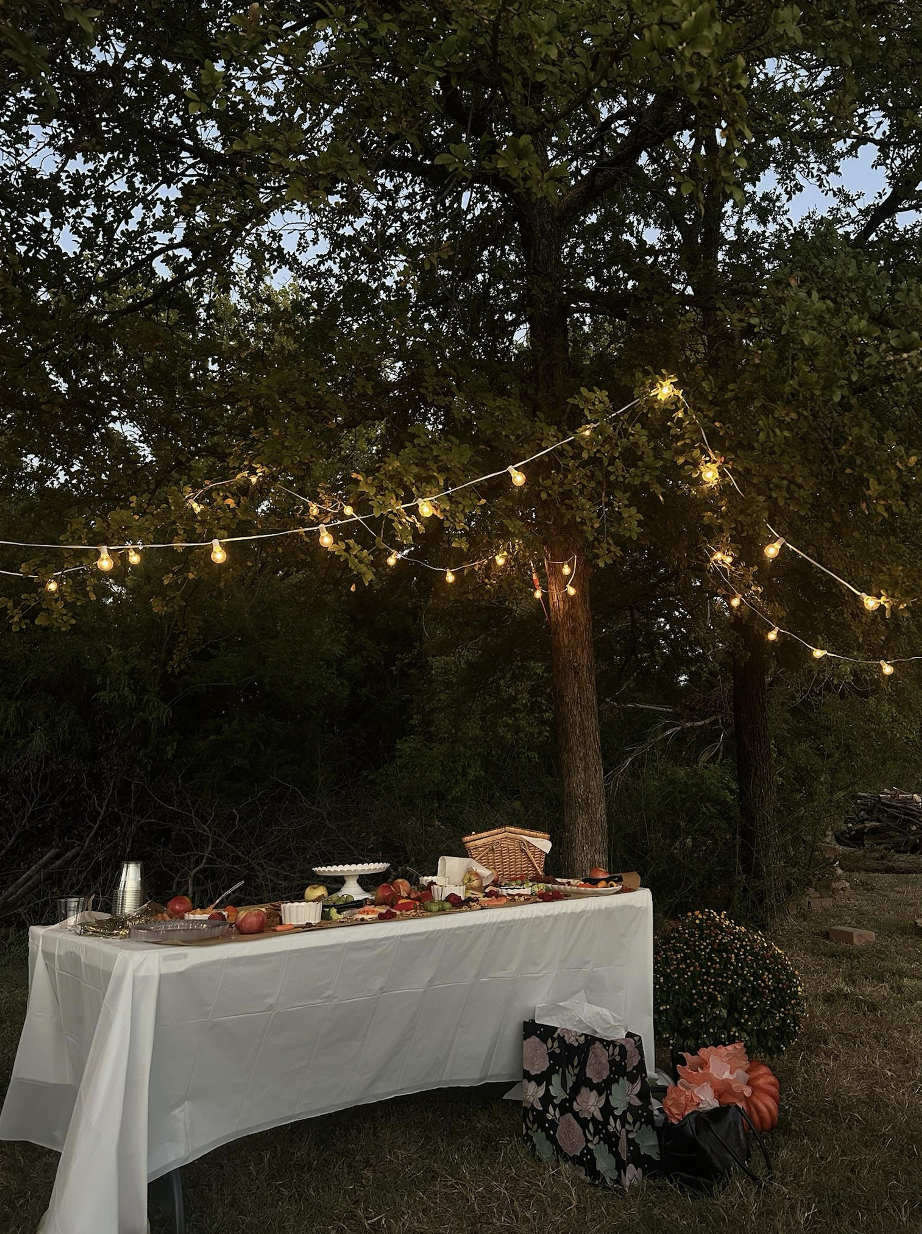
- A Fall Birthday Party: We snacked and painted pumpkins outside with the Birthday Girl.
- A Wedding Shower hosted at our church.
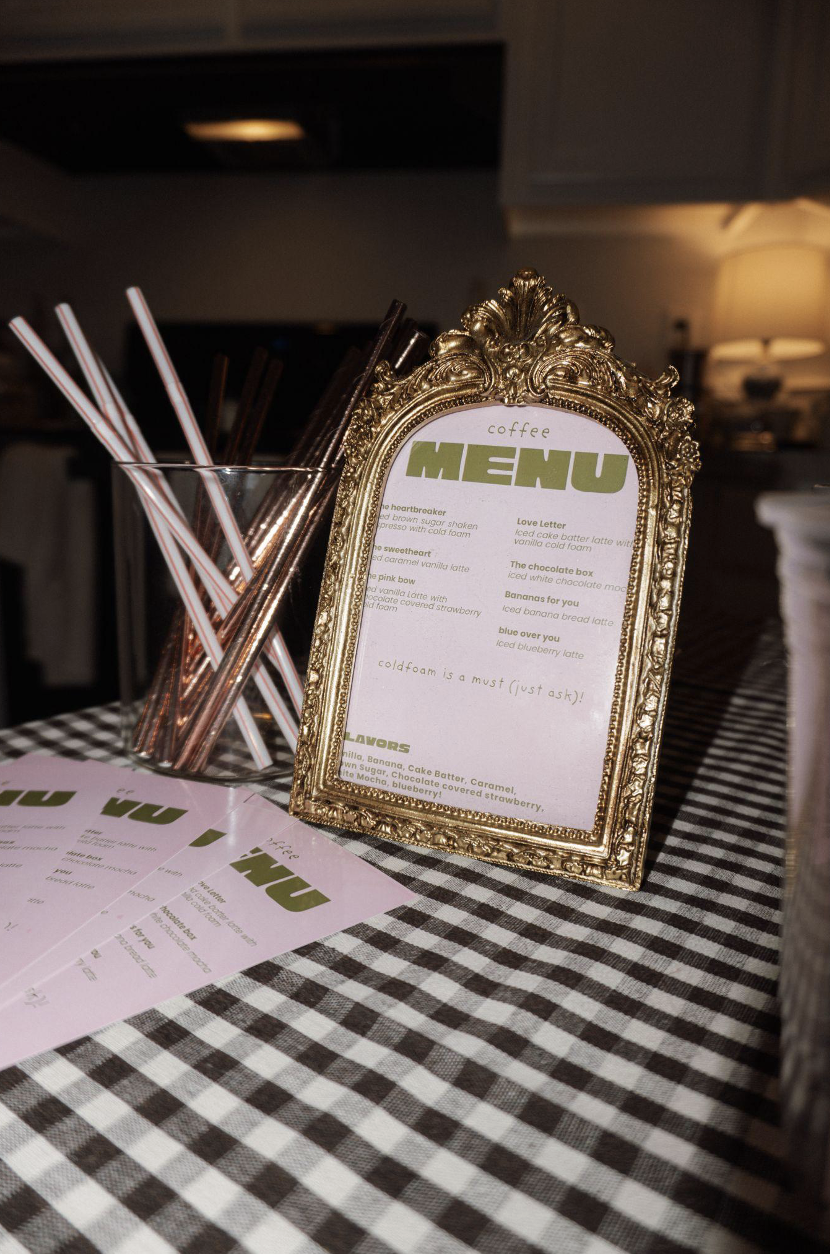
- Galentines: A menu from an all girls coffee and soda night.